MEDIAACADEMY INTERNATIONAL
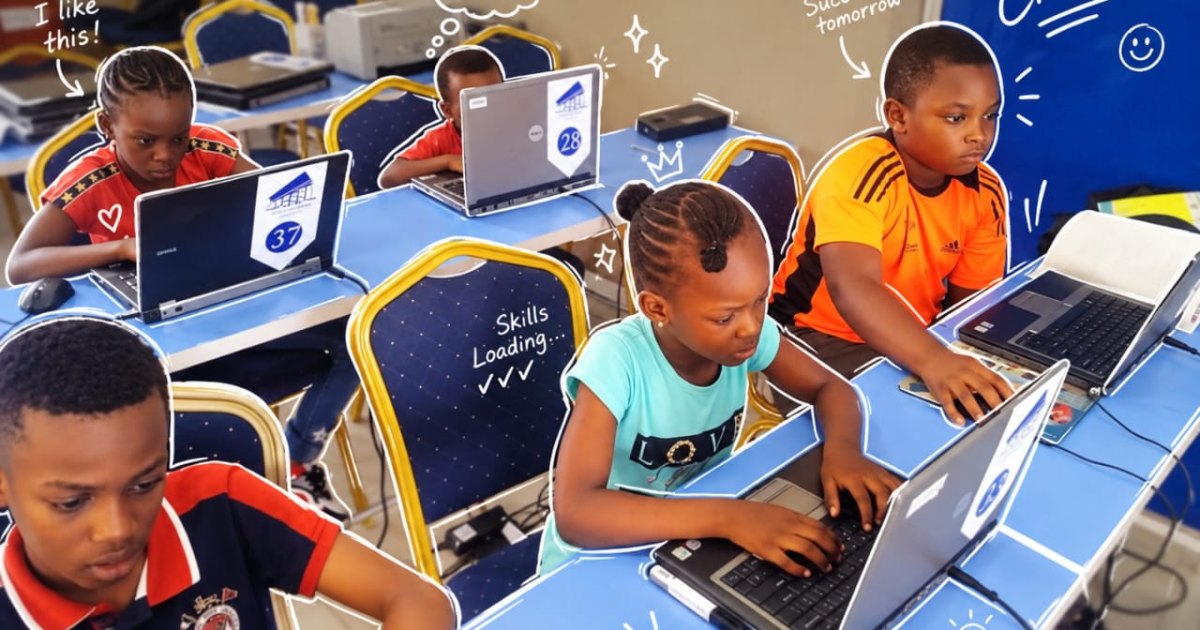
The ICT experts who will shape tomorrow are already among us. Some are children learning how to operate a computer for the first time. Others are teenagers experimenting with Artificial Intelligence, graphics, photography, coding or video editing. They may not look like experts today, but neither did the people currently building some of the world's most important technologies when they started.
Every expert was once a beginner.
That is why conversations about our digital future must go beyond acquiring computers, installing internet facilities or introducing ICT as another school subject. If we genuinely want to produce tomorrow's technology professionals, we must deliberately build their foundation today.
There is also a mistake we must correct early. Being able to operate a smartphone does not automatically make a young person digitally skilled.
Millions of young people can navigate social media effortlessly, install applications, stream videos and spend hours online. Yet some cannot properly prepare a document, create a spreadsheet, design a simple graphic, conduct productive online research or organise files on a computer.
There is a wide difference between consuming technology and possessing digital competence.
The challenge, therefore, is to move our children and young people gradually from being consumers of technology to becoming users, creators, problem-solvers and eventually innovators.
That journey should begin with the basics.
Before advanced programming comes computer appreciation. Before data science comes an understanding of data and spreadsheets. Before professional graphic design comes knowledge of colour, typography, images and composition. Before cybersecurity comes an understanding of computers, networks, passwords and responsible internet behaviour.
These foundations may appear elementary today, but they determine how easily a learner can advance tomorrow.
More importantly, ICT education must become practical. We cannot produce technology experts by making students memorise definitions of hardware, software, input devices and output devices for examinations.
Put the computer in front of them.
Let them type. Let them design. Let them research. Let them edit photographs and videos. Let them create presentations. Let them build simple webpages. Let them experiment with Artificial Intelligence. Let them write their first lines of code.
Most importantly, let them make mistakes.
Technology is learnt enormously through experimentation. Many accomplished professionals did not become good because someone taught them everything. Someone gave them the foundation, and curiosity pushed them further.
Our ICT classrooms must therefore become laboratories of curiosity rather than rooms where technology is merely described.
Instead of asking only, “What is a computer?” we should increasingly ask, “What can you create with a computer?”
That distinction matters.
We must equally rethink our obsession with certificates. Qualifications remain important, but the technology industry places enormous value on demonstrable ability.
Can you design it? Can you build it? Can you edit it? Can you analyse it? Can you secure it? Can you use technology to solve a real problem?
Tomorrow's young professionals must be prepared to answer those questions with evidence of what they can do, not merely certificates showing what they studied.
Artificial Intelligence makes this even more urgent.
AI can now generate text, images, computer code, videos, presentations and analyses within seconds. This does not eliminate the need for digital education. It makes a sound technological foundation even more important.
Someone without foundational knowledge may accept whatever an AI system produces. Someone with competence can question the output, identify mistakes, improve it and use the technology to achieve something better.
The future, therefore, will not necessarily belong to people who know everything. It will favour people who can continuously learn, think critically, use intelligent tools and apply knowledge to solve problems.
Parents have a responsibility here too.
A smartphone in a child's hands can become an entertainment machine, but the same device can become a classroom, camera, research laboratory, creative studio and gateway to entrepreneurship.
We should become interested not only in how much time young people spend with technology, but in what they can produce with it.
Schools, governments, training institutions and the private sector must equally invest in practical digital education. Not every school will immediately have a sophisticated ICT laboratory, and not every family can afford a laptop for every child. But limited resources should not become an excuse for doing nothing.
Start with what is available.
One computer can introduce several learners to technology. Community ICT centres can provide shared access. Existing smartphones can support research and creative learning. Businesses can sponsor equipment, training and scholarships. Governments can strengthen digital laboratories and teacher capacity.
What matters is that we begin deliberately and begin early.
The child learning graphic design today could become tomorrow's product designer. The teenager experimenting with Python could eventually build solutions for agriculture, healthcare, education or finance. The young person fascinated by networks could become a cybersecurity specialist. The child exploring Artificial Intelligence today may someday build technologies we cannot presently imagine.
Tomorrow's ICT experts are not somewhere in the future waiting to appear.
They are already here—in our homes, schools and communities.
Some are simply waiting for their first computer, their first lesson, their first opportunity and someone willing to tell them: you can learn this.
The greatest investment in our digital future, therefore, is not technology itself. It is developing people who understand what to do with technology.
If we want tomorrow's ICT experts, the foundation must be built today.
Every expert was once a beginner.
That is why conversations about our digital future must go beyond acquiring computers, installing internet facilities or introducing ICT as another school subject. If we genuinely want to produce tomorrow's technology professionals, we must deliberately build their foundation today.
There is also a mistake we must correct early. Being able to operate a smartphone does not automatically make a young person digitally skilled.
Millions of young people can navigate social media effortlessly, install applications, stream videos and spend hours online. Yet some cannot properly prepare a document, create a spreadsheet, design a simple graphic, conduct productive online research or organise files on a computer.
There is a wide difference between consuming technology and possessing digital competence.
The challenge, therefore, is to move our children and young people gradually from being consumers of technology to becoming users, creators, problem-solvers and eventually innovators.
That journey should begin with the basics.
Before advanced programming comes computer appreciation. Before data science comes an understanding of data and spreadsheets. Before professional graphic design comes knowledge of colour, typography, images and composition. Before cybersecurity comes an understanding of computers, networks, passwords and responsible internet behaviour.
These foundations may appear elementary today, but they determine how easily a learner can advance tomorrow.
More importantly, ICT education must become practical. We cannot produce technology experts by making students memorise definitions of hardware, software, input devices and output devices for examinations.
Put the computer in front of them.
Let them type. Let them design. Let them research. Let them edit photographs and videos. Let them create presentations. Let them build simple webpages. Let them experiment with Artificial Intelligence. Let them write their first lines of code.
Most importantly, let them make mistakes.
Technology is learnt enormously through experimentation. Many accomplished professionals did not become good because someone taught them everything. Someone gave them the foundation, and curiosity pushed them further.
Our ICT classrooms must therefore become laboratories of curiosity rather than rooms where technology is merely described.
Instead of asking only, “What is a computer?” we should increasingly ask, “What can you create with a computer?”
That distinction matters.
We must equally rethink our obsession with certificates. Qualifications remain important, but the technology industry places enormous value on demonstrable ability.
Can you design it? Can you build it? Can you edit it? Can you analyse it? Can you secure it? Can you use technology to solve a real problem?
Tomorrow's young professionals must be prepared to answer those questions with evidence of what they can do, not merely certificates showing what they studied.
Artificial Intelligence makes this even more urgent.
AI can now generate text, images, computer code, videos, presentations and analyses within seconds. This does not eliminate the need for digital education. It makes a sound technological foundation even more important.
Someone without foundational knowledge may accept whatever an AI system produces. Someone with competence can question the output, identify mistakes, improve it and use the technology to achieve something better.
The future, therefore, will not necessarily belong to people who know everything. It will favour people who can continuously learn, think critically, use intelligent tools and apply knowledge to solve problems.
Parents have a responsibility here too.
A smartphone in a child's hands can become an entertainment machine, but the same device can become a classroom, camera, research laboratory, creative studio and gateway to entrepreneurship.
We should become interested not only in how much time young people spend with technology, but in what they can produce with it.
Schools, governments, training institutions and the private sector must equally invest in practical digital education. Not every school will immediately have a sophisticated ICT laboratory, and not every family can afford a laptop for every child. But limited resources should not become an excuse for doing nothing.
Start with what is available.
One computer can introduce several learners to technology. Community ICT centres can provide shared access. Existing smartphones can support research and creative learning. Businesses can sponsor equipment, training and scholarships. Governments can strengthen digital laboratories and teacher capacity.
What matters is that we begin deliberately and begin early.
The child learning graphic design today could become tomorrow's product designer. The teenager experimenting with Python could eventually build solutions for agriculture, healthcare, education or finance. The young person fascinated by networks could become a cybersecurity specialist. The child exploring Artificial Intelligence today may someday build technologies we cannot presently imagine.
Tomorrow's ICT experts are not somewhere in the future waiting to appear.
They are already here—in our homes, schools and communities.
Some are simply waiting for their first computer, their first lesson, their first opportunity and someone willing to tell them: you can learn this.
The greatest investment in our digital future, therefore, is not technology itself. It is developing people who understand what to do with technology.
If we want tomorrow's ICT experts, the foundation must be built today.